

Knowledge Blog > Health
Pollen Allergy & Gut: How Your Immune System, Microbiome & Micronutrients Are Connected
Themen dieses Blogartikels:
Table of contents
- Pollen Allergy - Causes & Symptoms
- 3 Reasons Why the Body Reacts Differently
- Connection between Gut & Allergies
- 5 Tips for Supporting Pollen Allergy
- 1. Support Gut Flora
- 2. Use Micronutrients Specifically
- 3. Reduce Pollen Exposure
- 4. Specifically Support Mucous Membranes
- 5. Medical Options
- Conclusion
- Sources & Bibliography
Understanding Pollen Allergies – A Brief Overview of Causes & Symptoms
A pollen allergy is not a random irritation, but a misguided immune reaction to actually harmless plant components, so-called allergens or substances floating in the air.⁵,⁶ In Germany, about 16 million people suffer from a pollen allergy, which can cause symptoms such as sneezing, sneezing fits, itchy or watery eyes, runny nose, coughing, headaches, sleep disturbances, shortness of breath, and even asthma.
The most common symptoms include:
- Watery eyes
- Runny nose
- Sneezing fits
- Coughing
- Shortness of breath to asthma
Symptoms usually occur seasonally during pollen season, especially from late February to late August, depending on the pollen count of the respective plants and pollen types such as birch pollen, which is considered one of the main triggers. The intensity of symptoms can vary somewhat from person to person. Pollen season generally begins in spring, with the first pollen from early bloomers like hazel and alder already flying from February to March.
What are allergens?
Allergens are harmless substances that come into contact with the immune system through pollen from plants, especially wind-pollinated trees, grasses, and herbs, and can trigger allergic reactions such as hay fever, asthma, or cross-allergies. Important to know: The development of a pollen allergy always depends on genetic predispositions in combination with various environmental factors.
3 Reasons Why Your Body Reacts Differently to Pollen
1. Immune system "learns":
Many people do not experience the full severity of their pollen allergy right from the start. This is partly due to the fact that allergic reactions occur in phases: First, immunological imprinting or sensitization takes place; later, the body reacts more quickly and usually more severely upon renewed contact.⁵,²⁵ The more often the immune system registers a trigger as relevant, the more easily the same type of pollen can cause symptoms. Early influences on the microbiome and immune development also seem to play a role in determining the later propensity for allergies.¹¹
2. More and higher pollen exposure
Not every spring is immunologically the same. Climate change, air pollutants, and altered vegetation cycles are associated with longer pollen seasons, higher pollen concentrations, and sometimes stronger allergenicity.⁸,⁹,¹⁰ During the pollen season, the exposure to certain pollen types like birch pollen typically decreases over time, while other pollen types, such as grasses or ragweed, may increase. For those affected, this means: Today, your body is often exposed to the same triggers not only for longer periods but also repeatedly. Especially for ragweed (Ambrosia artemisiifolia) and grasses, long-term data and models show that season duration and severity can shift in many regions.⁸,⁹,¹⁰

3. Change of Stages – when symptoms change
If the inflammatory reaction is not limited to the upper respiratory tract, the symptoms can change. Allergic rhinitis and asthma are therefore often understood today as part of a "united airway inflammation".⁷ In other words: the nose, sinuses and bronchi do not work immunologically separately. Nocturnal allergy symptoms can also lead to sleep disturbances, which further impair the quality of life. Therefore, recurring pollen symptoms that shift over time towards coughing, tightness or shortness of breath on exertion should be taken seriously.⁶,⁷
What does the gut have to do with allergies?
The connection between pollen allergy and the gut is often underestimated. Yet, a large part of the immunologically active tissue is located in the gastrointestinal system; literature often refers to about 70 to 80 percent of the lymphatic immune system or immune-active cells in the intestinal area.¹,² It is precisely there that the decision is constantly made whether your body reacts tolerantly to a stimulus or initiates defense programs. It does not make this decision alone, but in close coordination with the mucosal barrier, immune cells, and the microbiome.¹,² The microbiome influences, among other things, barrier function, mucosal contact, immune training, and the formation of metabolic products that have effects far beyond the gut.²⁻⁴,¹⁶ Therefore, the gut-immune system connection is so relevant for allergies: An altered gut flora is associated with an altered immune response – and thus also with the question of how strongly your body reacts to pollen.³,⁴,¹³⁻¹⁶

Gut, Immune System, and Allergies – The Interplay
If you want to take a holistic view of pollen allergy, a simple idea helps: Allergic symptoms rarely arise in isolation in the nose. They are the result of a system that is regulated at several points simultaneously – in contact with pollen on the mucous membrane, in the immunological evaluation of this stimulus, and in the background control by the gut and microbiome. ¹,²,⁵ The gut influences this immune response because tolerance mechanisms are trained there. The microbiome, in turn, helps control which immune cell types dominate, how stable the barrier remains, and which signals are passed on to other mucous membranes via metabolites.²⁻⁴,¹⁶ In this context, allergy means: the system overreacts. Not because individual pollens are automatically "too strong," but because the interplay of exposure, immune status, and microbiome balance can become disrupted.²⁻⁵,¹⁶ Short-chain fatty acids such as butyrate and propionate, which are produced during the fermentation of dietary fiber, are particularly relevant. They are associated with immunoregulatory effects and have been linked to lower allergic reactivity and lower allergic morbidity in both experimental and epidemiological studies.¹⁷⁻¹⁹ The gut therefore not only acts locally but can also determine, via the gut-lung or gut-nose axis, how mucous membranes react to environmental stimuli.³,⁴,¹⁶⁻¹⁹
5 tips on what you can do specifically if you have a pollen allergy
Pollen allergies often affect more than just the nose and eyes; they can put a strain on the entire body. In addition to classic measures, topics such as gut flora, immune balance, mucous membrane protection, micronutrients, and daily habits are therefore increasingly coming into focus. In the following, we will show you 5 concrete tips with which you can specifically support your body during the pollen season and reduce the daily burden of pollen.
1. Supporting Gut Flora: Microbiome and Allergies – Why Balance is Crucial
In the context of the relationship between the microbiome and allergies, it is less a single "good" germ that is decisive than the overall balance. A diverse, stable gut flora supports tolerance processes, while an imbalance is more associated with a shift towards inflammatory and allergic reactions.²⁻⁴ This is precisely why the topic of gut flora and allergies is gaining increasing focus: it's not just about which bacteria are present, but how they work together, which metabolites they form, and how these signals are transmitted to the immune system.²⁻⁴,¹⁶ It's exciting that this connection is not only described theoretically. In adults with allergic rhinitis, lower microbial diversity and altered frequencies of certain bacterial groups have been found.¹² Systematic reviews and meta-analyses also describe recurring differences between people with allergic rhinitis and healthy controls, even if the exact signature varies depending on the study.¹³,¹⁴ Genetic and multi-omic analyses additionally indicate that the relationship between the microbiome, metabolites, and allergic rhinitis may not merely be a coincidence, but can be biologically plausible and possibly causally co-determined.¹⁵,¹⁶
But what does this mean specifically for you? If you want to support your gut flora, it's worth looking at your everyday life first, not shortcuts. Fiber-rich foods provide the microorganisms in the gut with substrate for the formation of short-chain fatty acids, which in turn are associated with immunoregulatory effects.¹⁷⁻¹⁹ In practice, this means: more vegetables, legumes, nuts, seeds, oats, cooked and cooled potatoes or rice, and overall more plant-based diversity. Fermented foods can also be a building block because they influence the microbiome and have been associated with changes in immunological markers in human studies.²⁰ The key here is not perfection, but regularity. You can find out more in the Microbiome article.
Probiotics for Pollen Allergy: How Certain Bacterial Strains Could Influence Gut and Immune System
Probiotics are being intensively researched in the context of gut health and immune balance. Of particular interest is the fact that certain bacterial strains, such as Lactobacillus or Bifidobacterium species, are linked to the mucosal barrier, immune regulation, and the microbiome. As a large part of the immunologically active tissue is located in the gut, research is being conducted into whether selected probiotics could also influence allergic reactions. Some studies on allergic rhinitis show indications that certain strains could modulate the immune response and affect allergic symptoms. However, it is crucial that it is not "probiotics in general" that are effective, but rather individual strains that possess different properties. The evidence therefore varies in strength depending on the preparation and area of application.²⁶'²⁷`²⁸

Glutamine for the Gut: What role the amino acid plays for the mucous membrane and intestinal barrier
L-Glutamine is an amino acid used by intestinal mucosal cells as an important energy source. In a scientific context, glutamine is therefore particularly investigated in connection with the intestinal barrier, mucosal regeneration, and intestinal integrity. Studies examine, among other things, whether glutamine could support the stability of the intestinal barrier as well as certain inflammation-regulating processes. Since the intestinal barrier is closely linked to immune function and mucosal protection, glutamine is also interesting in connection with the gut-immune system complex. However, the existing evidence is not clear in all areas, which is why glutamine should rather be considered as a supplementary support and not as a therapeutic solution.²⁹'³⁰'³¹
Advertisement
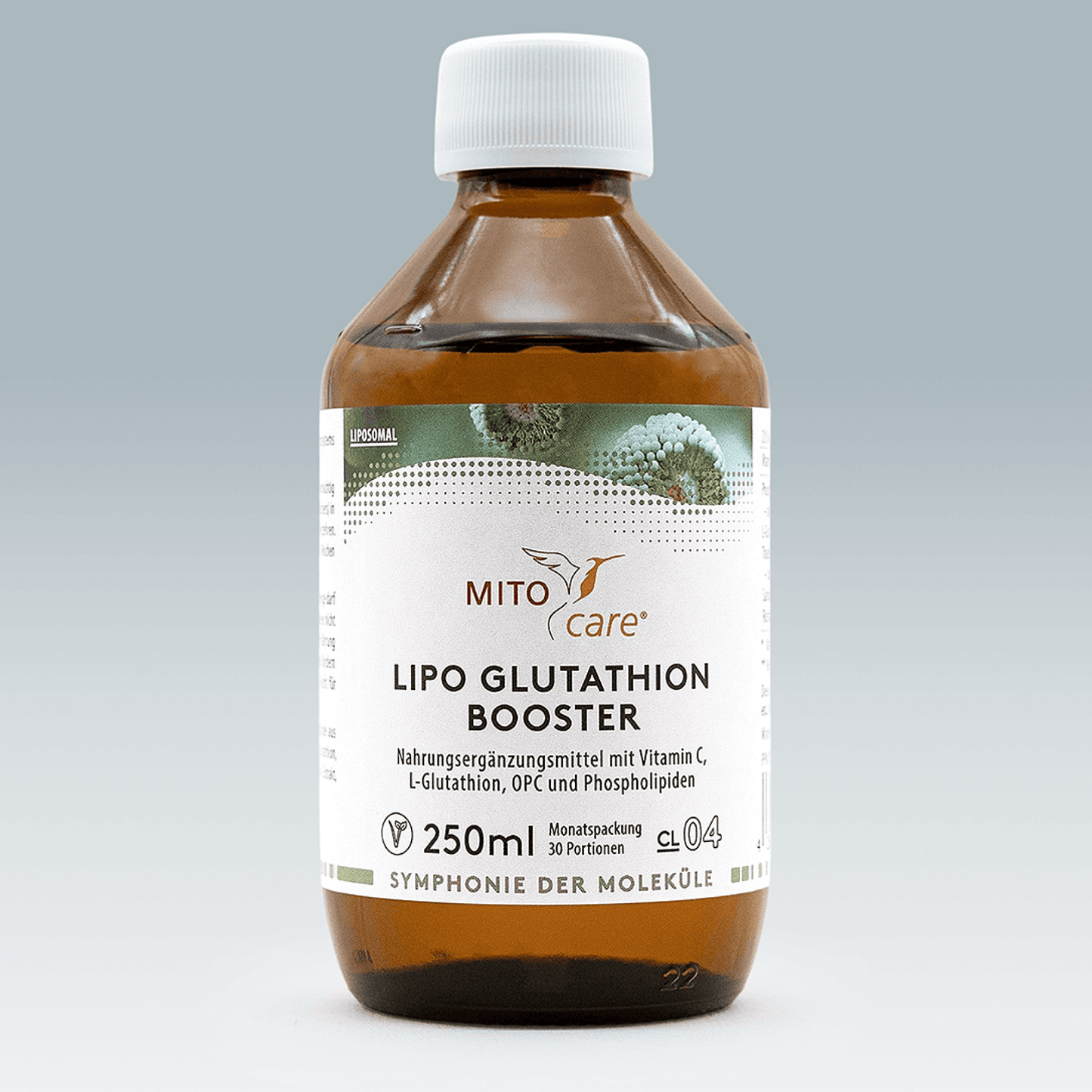
- Specially developed for the immune system & energy balance
- From natural raw material sources: OPC from grape seed extract with vitamin C
- From 3 essential amino acids: glutamic acid, cysteine & glycine
- Without fillers or flavorings
- Developed with doctors & experts
- Delicious taste & easy to dose
- vegan & vegetarian, free from lactose & gluten
- Directly into the cells - for fast, maximum effectiveness
2. Micronutrients as an Additional Lever in Allergies
If you want to support your gut flora, it's worth looking at your everyday life first, not shortcuts. Fiber-rich foods provide microorganisms in the gut with substrate for the formation of short-chain fatty acids, which in turn are associated with immunoregulatory effects.¹⁷⁻¹⁹ In practical terms, this means: more vegetables, legumes, nuts, seeds, oats, cooked and cooled potatoes or rice, and overall more plant-based variety. Fermented foods can also be a building block because they influence the microbiome and have been linked to changes in immunological markers in human studies.²⁰ The key is not perfection, but regularity. You can find more information in the Microbiome article.
When it comes to pollen allergies, many people first think of histamine – but far less often of micronutrients. However, immune regulation, mucosal protection, antioxidant defense, and cell function only work properly if the necessary cofactors are present.²¹⁻²⁴ Micronutrients do not replace medical therapy, but they can be an additional lever if you want to better understand the interaction of the gut, immune system, and mucosal support.²¹⁻²⁴
- Vitamin C contributes to the normal function of the immune system and is involved in several cellular defense mechanisms.²¹
- Vitamin D plays a role in immune regulation; studies on allergic rhinitis have investigated a possible additional benefit of targeted supplementation, especially in people with a deficiency.²²
- Zinc supports normal immune function and influences, among other things, immune cell activity and inflammatory signaling pathways.²³
- Magnesium is often first associated with muscles or nerves, but it is also linked to stress processing, inflammation balance, and cellular regulation.²⁴
In addition to classic micronutrients, certain plant compounds and medicinal mushrooms are increasingly coming into focus in research. These include quercetin, resveratrol, as well as Reishi and Chaga, which are associated with antioxidant and immunomodulatory properties.²⁵⁻²⁸ Preclinical studies are investigating, among other things, whether these substances could influence inflammatory signaling pathways, mast cell activation, or the release of histamine – processes that also play a role in pollen allergies.²⁵⁻²⁸
Such substances should be understood as complementary support within a holistic approach – not as a substitute for medical therapies.

Quercetin for Pollen Allergy: Can the Plant Compound Influence Histamine Reactions?
Quercetin is a plant-based flavonoid found in apples, red onions, and berries, among other foods, and is being scientifically investigated in connection with allergies. Preclinical studies suggest that quercetin could influence the activation of mast cells and the release of histamine – precisely those processes that play a central role in pollen allergies. Additionally, antioxidant and inflammation-regulating properties are being discussed. The potential influence on allergic inflammatory reactions of the mucous membranes is of particular focus. The existing evidence is predominantly from cell and animal studies; reliable human studies are still limited.³²'³³'³⁴
Advertisement
- 99% pure natural power combined with vitamin C from acerola
- With the well-known polyphenols resveratrol, quercetin & OPC
- Combines 12 valuable ingredients such as turmeric, schisandra, ginger, amla berries & pomegranate
- Vegan & vegetarian, gluten & lactose free
- Developed with doctors & experts

Resveratrol for Hay Fever: What role does this plant compound play in allergic reactions?
Resveratrol is a polyphenol primarily known from red grapes and berries, and is being studied for its antioxidant properties. In the context of pollen allergies, studies particularly focus on its possible effects on inflammatory signaling pathways, oxidative stress, and allergic airway responses. Animal models and initial smaller human studies suggest that resveratrol could modulate pro-inflammatory processes. A possible influence on mast cells and immune messengers involved in allergic reactions is also discussed. However, the current clinical data in humans is still considered limited and insufficient for therapeutic statements.³⁵'³⁶'³⁷
Reishi for Pollen Allergy: How the Medicinal Mushroom Could Influence the Immune System
The medicinal mushroom Ling Zhi or Reishi has been used for centuries in traditional Asian medicine and contains various bioactive substances such as beta-glucans and triterpenes. Scientific research is investigating whether these substances could possess immunomodulatory and anti-inflammatory properties. Preclinical studies suggest that Reishi might influence certain signaling pathways of the immune system and modulate allergic inflammatory reactions. Of particular interest is the possible influence on immune balance and inflammatory processes of the respiratory tract. However, the current evidence is predominantly based on laboratory and animal studies; high-quality human studies on pollen allergies are still largely lacking.³⁸'³⁹'⁴⁰
Advertisement
- Over 25 nutrients & botanicals to protect your body
- With the premium natural ingredients Quercetin, Resveratrol, Vital Mushrooms Reishi & Chaga
- Supplemented with Zinc & Selenium
- Grape seed with OPC, Coenzyme Q10 & MSM
- No fillers or flavorings
- Developed with doctors & experts
- Vegan & vegetarian
- Free from gluten & lactose

3. Reduce pollen exposure
As trivial as it sounds: Less contact can noticeably relieve your overall system. Especially when the season is long and intense, small everyday measures add up. Washing your hair in the evening, not storing worn clothes in the bedroom, rinsing your face and hands after spending time outdoors, and ventilating during times with less pollen during peak phases – all of this does not reduce the cause, but often the irritant load. If your immune system is already sensitized and the pollen count is simultaneously increasing, every bit less exposure can help alleviate the daily threshold.⁸⁻¹⁰,²⁵
Main Triggers & Influencing Factors of Pollen Levels in Germany
In Germany, the primary causes of pollen allergies are tree pollens from birch, alder, ash, and oak, but grasses and weeds also play a significant role. Birch pollen and grass pollen, in particular, are considered the most important triggers of sensitizations and allergies in Germany. Pollen concentration and exposure can be influenced by various factors such as pollen source, geographical location, plant species, local weather conditions, and urban air quality. The entry of pollen into indoor air is a crucial factor for indoor exposure – air filters and pollen screens can help reduce allergens. Current pollen forecasts are important for allergy sufferers and those with pollen allergies to take appropriate measures in time and adjust outdoor activities. Practical tips, such as regular ventilation during low-pollen periods or the use of air purifiers, can further reduce pollen exposure.

4. Specifically support mucous membranes
The mucous membranes are the first point of contact for pollen – and at the same time an important part of your immune barrier. Dry or irritated nasal and eye mucous membranes often react more sensitively to allergens. Therefore, it can help to specifically support the mucous membranes: drink enough, ventilate regularly, use saline nasal rinses, and ensure good humidity. Omega-3 fatty acids are also associated with inflammation-regulating effects in studies and could help to mitigate excessive immune reactions somewhat.²¹⁻²⁴ While such measures do not replace therapy, they can help to reduce daily discomfort and keep the mucous membrane barrier stable.
5. Medical Options
If you want to support your gut flora, it's worth looking at your daily routine first, rather than shortcuts. Fiber-rich foods provide microorganisms in the gut with substrate for the formation of short-chain fatty acids, which in turn are associated with immunoregulatory effects.¹⁷⁻¹⁹ In practical terms, this means: more vegetables, legumes, nuts, seeds, oats, cooked and cooled potatoes or rice, and overall more plant diversity. Fermented foods can also be a building block because they influence the microbiome and have been linked to changes in immunological markers in human studies.²⁰ What is crucial here is not perfection, but regularity. You can find more information in the Microbiome Article.
Conclusion
Pollen allergies are rarely just a nasal issue. They arise from the interplay of exposure, immune response, the gut, gut flora, and the microbiome.¹⁻⁵ If you want to understand why symptoms worsen or persist for longer, it's worth looking beyond classic allergy thinking. The gut can be a central factor here, as it is closely linked to immune training, mucous membrane balance, and inflammatory processes.¹⁻⁴ Good micronutrient supply is equally relevant: vitamin C, vitamin D, zinc, and magnesium contribute to normal immune and cell functions in different ways and can be considered an additional lever.²¹⁻²⁴ In practice, this does not mean "optimizing away" allergies, but rather supporting your system meaningfully in several areas – with nutrition, microbiome care, reduced pollen load, and medical support if needed.⁶,¹⁷,²⁰
Advertisement


More blog articles on the topic















This article is based on carefully researched sources:
Sources & Bibliography
- Vighi G, Marcucci F, Sensi L, et al. Allergy and the gastrointestinal system. 2008. PubMed PMID: 18721321.
- Wiertsema SP, van Bergenhenegouwen J, Garssen J, Knippels LMJ. The Interplay between the Gut Microbiome and the Immune System in the Context of Infectious Diseases throughout Life and the Role of Nutrition in Optimizing Treatment Strategies. 2021. PubMed PMID: 33803407.
- Zubeldia-Varela E, et al. Microbiome and Allergy: New Insights and Perspectives. 2022. PubMed PMID: 36219547.
- Pascal M, et al. Microbiome and Allergic Diseases. 2018. PubMed PMID: 30065721.
- Drazdauskaitė G, Layhadi JA, Shamji MH. Mechanisms of Allergen Immunotherapy in Allergic Rhinitis. 2020. PubMed PMID: 33313967.
- Dykewicz MS, et al. Rhinitis 2020: A practice parameter update. 2020. PubMed PMID: 32707227.
- Compalati E, Ridolo E, Passalacqua G, et al. The Link Between Allergic Rhinitis and Asthma. 2010. PubMed PMID: 20441427.
- D'Amato G, et al. Climate change, air pollution, pollen allergy and extreme events. 2023. PubMed PMID: 36917187.
- Ziska LH, et al. Recent warming by latitude associated with increased length of ragweed pollen season in central North America. 2011. PubMed PMID: 21368130.
- Kurganskiy A, et al. Predicting the severity of the grass pollen season and response to climate change. 2021. PubMed PMID: 33771862.
- Kallio ST, Jian C, Korpela K, et al. Early-life gut microbiota associates with allergic rhinitis during 13-year follow-up in a Finnish probiotic intervention cohort. 2024. PubMed PMID: 38687061.
- Watts AM, West NP, Zhang P, Smith PK, Cripps AW, Cox AJ. The Gut Microbiome of Adults with Allergic Rhinitis Is Characterised by Reduced Diversity and an Altered Abundance of Key Microbial Taxa Compared to Controls. 2021. PubMed PMID: 32971520.
- Hu Y, Zhang R, Li J, et al. Association Between Gut and Nasal Microbiota and Allergic Rhinitis: A Systematic Review. 2024. PubMed PMID: 39006241.
- Li M, Wang Q, Wang R, et al. Association between gut microbiota and allergic rhinitis: a systematic review and meta-analysis. 2025. PubMed PMID: 40444284.
- Zheng XW, et al. Genetic associations between gut microbiota and allergic rhinitis: an LDSC and MR analysis. 2024. PubMed PMID: 38855765.
- Zhang J, Zhao M, Yu Y, et al. Gut microbiota metabolites and key target molecules in allergic rhinitis: a multi-omics study of gut-nose axis regulation via the inflammation-metabolism network. 2025. PubMed PMID: 41395465.
- Trompette A, et al. Gut microbiota metabolism of dietary fiber influences allergic airway disease and hematopoiesis. 2014. PubMed PMID: 24390308.
- Lewis G, et al. Dietary Fiber-Induced Microbial Short Chain Fatty Acids Suppress ILC2-Dependent Airway Inflammation. 2019. PubMed PMID: 31620118.
- Roduit C, et al. High levels of butyrate and propionate in early life are associated with protection against atopy. 2019. PubMed PMID: 30390309.
- Wastyk HC, et al. Gut-microbiota-targeted diets modulate human immune status. 2021. PubMed PMID: 34256014.
- Carr AC, Maggini S. Vitamin C and Immune Function. 2017. PubMed PMID: 29099763.
- Bakhshaee M, et al. Therapeutic effect of vitamin D supplementation on allergic rhinitis in patients with vitamin D deficiency. 2019. PubMed PMID: 31332549.
- Prasad AS. Zinc in human health: effect of zinc on immune cells. 2008. PubMed PMID: 18385818.
- Ashique S, et al. A narrative review on the role of magnesium in immune response, inflammation, and antioxidant defense. 2023. PubMed PMID: 37501216.
- Kimber I. Chemical allergens—what are the issues? 2010. PubMed PMID: 19646501.
- Wang Y et al. Probiotics for prevention and treatment of respiratory allergies: A systematic review and meta-analysis of randomized controlled trials. Front Microbiol. 2022.; https://pubmed.ncbi.nlm.nih.gov/27495104/
- Farahmandi K, Mohr AE, McFarland LV. Effects of Probiotics on Allergic Rhinitis: A Systematic Review and Meta-Analysis of Randomized Clinical Trials. Am J Rhinol Allergy. 2022 Jul;36(4):440-450. doi: 10.1177/19458924211073550. Epub 2022 Jan 31. PMID: 35099301.
- pmc.ncbi.nlm.nih.gov/articles/PMC9027478/
- Kim MH & Kim H. The Roles of Glutamine in the Intestine and Its Implication in Intestinal Diseases. Int J Mol Sci. 2017.
- Rao RK & Samak G. Protection and Restitution of Gut Barrier by Glutamine. Curr Opin Clin Nutr Metab Care. 2012.
- pmc.ncbi.nlm.nih.gov/articles/PMC5454963/
- Mlcek J et al. Quercetin and Its Anti-Allergic Immune Response. Molecules. 2016.
- Caraffa A et al. Impact of polyphenols on mast cells with special emphasis on quercetin and luteolin. Eur J Pharmacol. 2018.
- https://www.researchgate.net/publication/330487986_Impact_of_polyphenols_on_mast_cells_with_special_emphasis_on_the_effect_of_quercetin_and_luteolin
- Zhang W, Tang R, Ba G, Li M, Lin H. Anti-allergic and anti-inflammatory effects of resveratrol via inhibiting TXNIP-oxidative stress pathway in a mouse model of allergic rhinitis. World Allergy Organ J. 2020 Oct 22;13(10):100473. doi: 10.1016/j.waojou.2020.100473. PMID: 33133334; PMCID: PMC7586246.
- Bozdemir K, Şahin E, Altintoprak N, Muluk NB, Cengiz BP, Acar M, Cingi C. Is resveratrol therapeutic when used to treat allergic rhinitisinitis in rats? Clin Invest Med. 2016 Apr 2;39(2):E63-72. doi: 10.25011/cim.v39i2.26482. PMID: 27040862.
- researchgate.net/publication/316640654_Is_resveratrol_therapeutic_when_used_to_treat_allergic_rhinitis_in_rats
- Boh B, Berovic M, Zhang J, Zhi-Bin L. Ganoderma lucidum and its pharmaceutically active compounds. Biotechnol Annu Rev. 2007;13:265-301. doi: 10.1016/S1387-2656(07)13010-6. PMID: 17875480.
- Bhardwaj N, Katyal P, Sharma AK. Suppression of inflammatory and allergic responses by pharmacologically potent fungus Ganoderma lucidum. Recent Pat Inflamm Allergy Drug Discov. 2014;8(2):104-17. doi: 10.2174/1872213x08666140619110657. PMID: 24948193.
- researchgate.net/publication/263297492_Suppression_of_Inflammatory_and_Allergic_Responses_by_Pharmacologically_Potent_Fungus_Ganoderma_lucidum
